
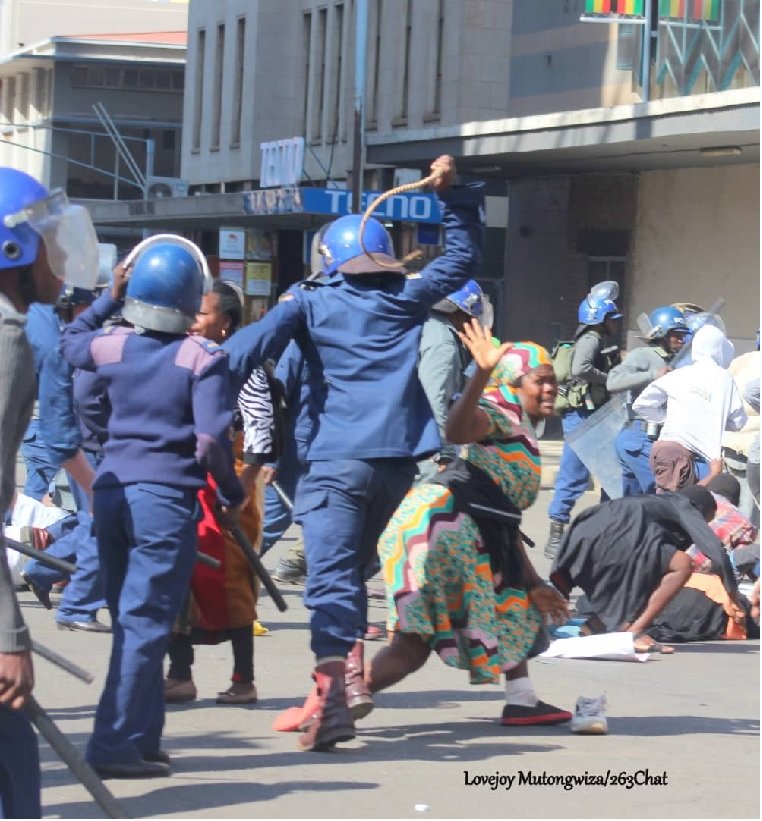
 Ending Violence Against Women in Zimbabwe: A Crucial Fight for Equality
Elimination of violence against women in Zimbabwe
In Zimbabwe, as in many nations, violence against women remains a persistent and devastating crisis, affecting countless lives and hampering national development. While rooted in historical gender inequalities, this violence now manifests in both physical and digital forms, demanding urgent, multifaceted responses. Despite a growing policy framework and dedicated activism, significant challenges remain in transforming legal protections into tangible safety for all women and girls.
The Pervasive Shadow of Violence
Gender-based violence (GBV) in Zimbabwe is a systemic issue, with one in three women experiencing violence in their lifetime. This violence is not confined to private spaces; women and girls often report feeling unsafe in environments where they should be protected, such as schools and religious institutions. The psychological and physical scars are deep, creating a cycle of fear and oppression that limits women's full participation in society.
The economic cost of this violence is staggering. A recent government-commissioned study revealed that GBV drains the national economy, costing an estimated 3.87% of Zimbabwe's GDP. This loss stems from reduced labour productivity, increased healthcare and social service costs, and drained household incomes, making investment in prevention and response not just a moral imperative, but a fiscal one.
The Emerging Frontier: Digital Violence
As connectivity grows, so does a new form of abuse: technology-facilitated gender-based violence (TFGBV). This includes online harassment, cyberbullying, cyberstalking, and the non-consensual sharing of intimate images. A 2025 national survey found that 75% of respondents in Zimbabwe had experienced some form of digital abuse in the past year.
This digital violence has a chilling effect on women's participation in public life. A UNESCO/MISA report highlighted that 63% of women journalists in Zimbabwe have faced TFGBV, which often silences their voices and diminishes their participation in political and journalistic spaces. As one report observed, "Online harassment remains largely unpunished, discouraging victims from speaking out”.
Legal and Policy Frameworks: Progress and Gaps
Zimbabwe has made notable strides in establishing legal and policy frameworks to address violence against women:
- The Domestic Violence Act provides a legal basis for addressing domestic abuse.
- The Cyber and Data Protection Act criminalizes forms of TFGBV, such as online harassment and image-based abuse, and provides measures for handling digital evidence.
- The National Strategy to Prevent and Address GBV (2023–2030) explicitly recognizes TFGBV as an emerging issue and aims to coordinate a multi-sectoral response.
- The Marriages Act has been updated to set the minimum age of marriage at 18, aligning with constitutional provisions.
However, the existence of laws does not guarantee protection. Enforcement remains a significant challenge, with limited prosecution of cyberbullying cases and survivors often finding it difficult to access justice, particularly in rural areas.
Frontline Responses and Grassroots Action
Amid these challenges, non-governmental organizations and community initiatives play a crucial role.
- The Adult Rape Clinic (ARC) in Zimbabwe provides comprehensive, survivor-centred services for victims of sexual violence, including clinical care, mental health rehabilitation, and legal support. Since its inception, ARC has assisted over 14,000 rape survivors and trains hundreds of service providers nationwide.
- Initiatives like the Women at the Centre programme in Bubi District deploy mobile one-stop centres that offer a full range of services—case management, psychosocial support, medical care, and legal assistance—directly to marginalized and rural communities. For many survivors, these services are a lifeline. As one survivor, Tabeth, shared, "After years of abuse I have been assisted to get a protection order and since then my heart feels less heavy" .
- To build lasting capacity, UNFPA is working with the government and academic institutions to develop a specialized GBV case management curriculum for social workers, ensuring future generations of responders are equipped with survivor-centred skills.
A Challenging Environment: The PVO Amendment Act
A recent legislative development poses potential headwinds for civil society organizations working on women's rights. Enacted in April 2025, the Private Voluntary Organisations Amendment Act introduces significantly tighter regulations for NGOs, including those providing GBV services.
The law expands government oversight, tightens registration and reporting requirements, and prohibits PVOs from engaging in political activities. It gives the Registrar of PVOs broad powers to suspend leadership and impose penalties for non-compliance. While the government states the aim is to align with international standards on anti-money laundering and counter-terrorism financing, there are concerns that these regulations could constrain the operational space for organizations vital to the GBV response.
The Path Forward: Recommendations for a Safer Future
Turning the tide against violence toward women in Zimbabwe requires sustained, multi-faceted action. Key priorities include:
- Strengthening Enforcement: Ensuring existing laws are implemented effectively by capacitating police, prosecutors, and the judiciary to handle GBV cases, especially those involving digital evidence, sensitively and efficiently.
- Increasing Funding and Resources: Scaling and sustaining survivor-centred services—including health, psychosocial support, legal aid, and shelters—with stable domestic financing. As the economic costing study shows, the cost of inaction far exceeds the cost of prevention.
- Bridging the Digital Divide and Enhancing Safety: Tackling the gender digital divide by expanding affordable, reliable digital infrastructure, particularly in rural areas, and implementing widespread digital literacy programs for women and girls.
- Promoting Private-Sector Accountability: Encouraging technology platforms to establish faster content takedown mechanisms, preserve data for investigations, and strengthen local moderation capacity to protect users.
- Investing in Prevention: Shifting resources upstream to fund programmes that change harmful social norms, engage men and boys, and mobilize communities to reject violence in all its forms.
A Collective Responsibility
Ending violence against women in Zimbabwe is an urgent necessity. As the UN Resident Coordinator in Zimbabwe, Edward Kallon, urged, "We must recommit, act, invest and maintain solidarity”. This solidarity must translate into enforced laws, allocated budgets, and transformed communities.
While the challenges are significant, from deep-rooted patriarchal norms to emerging digital threats and a tightening civic space, the determined efforts of survivors, activists, and committed organizations offer hope. If met with sustained political will and multi-sectoral action, Zimbabwe can build a future where women and girls live free from fear, both online and off, and can fully contribute to the nation's social and economic prosperity.