
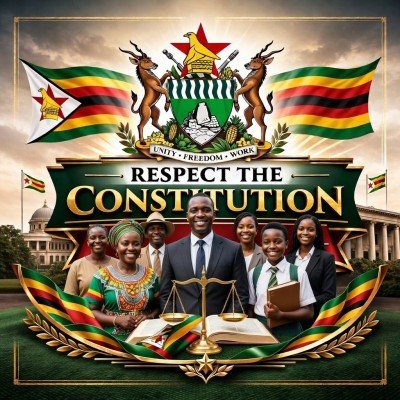
 UK House of Lords Slams Zimbabwe’s Constitutional Amendment Bill No. 3 as “Anti-Democratic” and “Profoundly Undemocratic”
London, 16 April 2026: - Full WEB LINK HERE
— In a significant intervention yesterday (15 April 2026), members of the UK House of Lords strongly criticised Zimbabwe’s proposed Constitution of Zimbabwe Amendment (No. 3) Bill 2026 (CAB3), describing key elements as anti-democratic.
During an oral question session, Baroness Kate Hoey asked what discussions the UK Government had held with Harare over changes that would allow President Emmerson Mnangagwa to stand for a third term. She went further in her follow-up:
“Does he realise that the constitutional changes proposed will mean that the people of Zimbabwe will no longer elect their president, the electoral commission will be abolished, judicial appointments will become very unsafe, and there will be many more changes, all of which are anti-democratic?”
Baroness Hoey also highlighted ongoing;
“brutality, beatings, torture and imprisonment” against opposition figures and civil society, calling on the UK to speak out more strongly against what she described as the
“tyranny of the ZANU-PF regime.”
Lord Callanan (Conservative) echoed the criticism, stating:
“These changes are profoundly undemocratic, extending the current presidential mandate and abolishing the elections…”
Lord Bruce of Bennachie (Liberal Democrat) added that ZANU-PF’s justification for the changes showed
“utter contempt for democracy”.
The government minister, Lord Lemos, acknowledged serious concerns. He noted that the UK Ambassador had raised the issues directly with Zimbabwe’s Ministry of Foreign Affairs the previous day. He agreed that the public consultations had been “highly managed” with limited space for dissenting voices, and stressed that constitutional reform must be “inclusive, transparent, and fully consistent with democratic principles and the rule of law.”
However, the minister repeatedly emphasised that constitutional amendments remain a sovereign matter for Zimbabwe, while pointing to ongoing UK engagement with civil society and stakeholders.
Key Provisions of CAB3 Under Fire
The bill, gazetted in February 2026, proposes among other things:
- Replacing direct popular election of the President with election by a joint sitting of Parliament.
- Extending presidential, parliamentary, and local authority terms from 5 to 7 years (potentially extending the current term to 2030).
- Abolishing or weakening key independent institutions, including changes to the Electoral Commission and judicial appointments.
- Other structural shifts that critics say consolidate executive power.
Public hearings on the bill took place in late March/early April 2026 amid reports of restricted debate and intimidation